Over the July 4th weekend, devastating flash floods struck Kerr County and surrounding parts of the Texas Hill Country, causing widespread destruction and heartbreak. Intense rainfall led to the rapid rise of the Guadalupe River, affecting homes, camps, and communities across the region.
Among the hardest hit was the area near Hunt, Texas, where multiple summer camps were impacted—including Camp Mystic, a girls’ camp located along the river. Search and rescue efforts have been ongoing, and sadly, there have been reports of lives lost and people still missing.
Our thoughts are with all families and communities affected by this tragic event.
This natural disaster serves as a sobering reminder of how quickly flash flooding can escalate and how important it is to remain prepared at all times—especially in flood-prone areas.
Areas Most Affected:
Kerr County, especially along the Guadalupe River Surrounding communities in the Hill Country Riverfront summer camps and rural residential areas.
If You’re in a Flood-Prone Area, Please Take the Following Steps:
Stay informed: Monitor official weather alerts and emergency updates from local authorities. Avoid flooded roads and low-lying areas: Never walk or drive through moving water. Turn around, don’t drown. Prepare an emergency kit: Include essentials such as water, flashlights, medications, non-perishable food, and copies of important documents. Have an evacuation plan: Know your safest routes and leave early if flooding is possible. Check on others: Help neighbors, especially the elderly or those with limited mobility.
As Texans, we are resilient—and in times of crisis, we come together. Let’s support one another, stay informed, and advocate for improved safety measures across our communities.
If you’re in Bryan-College Station and craving delicious food, you’re in for a treat! This dynamic region in the heart of Texas offers a diverse culinary scene that combines local flavors with global inspirations.
Start your journey at Messina Hof Winery & Resort, a local gem offering award-winning wines and a charming atmosphere. Whether you’re enjoying a wine tasting or pairing your glass with a Texas-style charcuterie board, this spot is a must for wine enthusiasts.
For brunch or a laid-back lunch, First Watch in College Station is a popular choice, known for its fresh ingredients and creative dishes. Try their lemon ricotta pancakes or the farmhouse hash to fuel your day.
Craving authentic Texas barbecue? Head over to C&J Barbeque, a beloved local spot that’s been serving smoky brisket and tender ribs for years. Their secret sauce and warm hospitality make it a top destination for barbecue lovers.
If you’re in the mood for something more international, Taz Indian Cuisine brings the rich flavors of India to Bryan-College Station. Their lunch buffet is a favorite for those wanting to sample a variety of dishes in one visit.
To wrap up your food adventure, don’t miss Harvest Coffee Bar, a cozy spot where you can relax with a perfectly brewed cup of coffee and a house-made pastry.
No matter what you’re in the mood for, Bryan-College Station’s food scene has something to satisfy every craving. So grab your friends, explore these local favorites, and let your taste buds lead the way!
Every year on the last Monday of May, Americans come together to observe Memorial Day—a time to honor the men and women of the U.S. military who lost their lives in service to their country. While it is a national holiday across the United States, Memorial Day holds a unique cultural and emotional significance in Texas.
Memorial Day originated after the Civil War as a way to commemorate fallen Union soldiers. Over time, it evolved into a day of remembrance for all military personnel who died in U.S. wars. It’s not just a long weekend or the unofficial start of summer—it’s a solemn day of reflection, gratitude, and national pride.
In Texas, where military service is deeply woven into the state’s identity, Memorial Day is observed with heartfelt respect. With numerous military bases, veterans, and active-duty personnel calling Texas home, the day resonates strongly with local communities.
Here are some common ways Texans observe Memorial Day:
1. Ceremonies and Parades
Cities across Texas, from Houston and Dallas to smaller towns like College Station, host Memorial Day parades and remembrance ceremonies. Veterans, local officials, and community members gather to pay tribute to those who served and sacrificed.
2. Visits to Cemeteries and Memorials
Many Texans visit local cemeteries and military graves, leaving flowers, small flags, or personal tributes. Places like the Texas State Cemetery in Austin or the Aggie Field of Honor in College Station often hold ceremonies that draw large crowds.
3. Moments of Silence
At 3:00 p.m. local time, many Texans participate in the National Moment of Remembrance, pausing for one minute to reflect on the true meaning of the holiday.
4. Community Events and Family Gatherings
While Memorial Day is a time of solemn remembrance, it’s also a moment for families and communities to come together. Backyard barbecues, picnics, and lake trips are common, especially in warm Texas weather. American flags wave from porches and front yards, blending celebration with commemoration.
Living in Texas, I’ve noticed how deeply this day is respected. Whether it’s seeing children learning about the holiday in school, or watching neighbors proudly display their flags, the spirit of Memorial Day is alive here. It’s a reminder that freedom comes at a cost—and that cost is honored every year with sincere gratitude.
Memorial Day is more than a holiday—it’s a powerful tribute to American values of courage, service, and sacrifice. In Texas, that meaning is felt in every community, big or small. Whether you’re attending a ceremony, spending time with loved ones, or simply taking a moment to reflect, you’re part of a nationwide act of remembrance.
Easter, also known as Resurrection Sunday, is one of the most significant holidays in the Christian calendar. It celebrates the resurrection of Jesus Christ from the dead, an event that forms the foundation of Christian faith. According to the New Testament, Jesus rose from the dead on the third day after his crucifixion, symbolizing hope, renewal, and new life.
When is Easter Celebrated?
Easter does not have a fixed date. Instead, it is celebrated on the first Sunday following the full moon after the spring equinox, typically falling between March 22 and April 25. In 2025, Easter Sunday will be observed on April 20.
The week leading up to Easter is known as Holy Week, which includes:
Palm Sunday – the Sunday before Easter, commemorating Jesus’ entry into Jerusalem.
Maundy Thursday – remembering the Last Supper.
Good Friday – the day of Jesus’ crucifixion.
Easter Sunday – celebrating the resurrection.
Easter Traditions in the U.S.
In the United States, Easter is celebrated with both religious services and joyful secular traditions. Many families attend church services in the morning and gather for a festive meal afterward. Children look forward to Easter egg hunts, where they search for colorful eggs filled with candy or small toys. The Easter Bunny, a popular symbol of the holiday, is said to deliver baskets of goodies to children.
How is Easter Celebrated in Texas?
In Texas, Easter is a big deal, blending traditional and local customs in unique ways. Here are a few highlights of how Easter is celebrated across the Lone Star State:
Easter Egg Hunts and Festivals: Many cities host large Easter events in parks and community centers. For example, College Station and Bryan organize family-friendly egg hunts and craft activities. In larger cities like Austin, Dallas, and Houston, you’ll find massive Easter festivals with live music, food trucks, and games.
Bluebonnet Season: Easter often falls during the peak of Texas bluebonnet season, making it a popular time for families to take outdoor photos among these beautiful wildflowers. It’s not uncommon to see families dressed in their Easter best posing for springtime portraits.
Sunrise Services: Across Texas, sunrise services are held in beautiful outdoor settings—from hilltops to lakesides—bringing communities together for peaceful early morning worship.
Western-Style Celebrations: In rural areas, you might find Easter parades with a Texas twist, including horseback riders, barbecue cookouts, and even “cowboy church” services.
Final Thoughts
Whether you’re attending a church service, enjoying a spring picnic, or joining an egg hunt, Easter in Texas is a vibrant celebration of faith, family, and community. The mix of tradition, nature, and southern hospitality makes it a special time to enjoy the season and reflect on its deeper meaning.
Have you ever experienced Easter in Texas? Share your favorite memory or tradition in the comments below!
St. Patrick’s Day, celebrated annually on March 17th, is a vibrant and joyous occasion that honors the patron saint of Ireland, St. Patrick. In 2025, this beloved holiday falls on a Monday, giving people worldwide an extended weekend to revel in the festivities. Whether you’re Irish by birth or simply Irish at heart, St. Patrick’s Day offers a chance to embrace Irish traditions, enjoy parades, and indulge in cultural celebrations.
The History Behind St. Patrick’s Day
St. Patrick, the patron saint of Ireland, was a missionary credited with bringing Christianity to the Irish people in the 5th century. According to legend, he used the three-leafed shamrock to explain the concept of the Holy Trinity. St. Patrick’s Day, which originally started as a religious feast, has since evolved into a global celebration of Irish culture.
How St. Patrick’s Day is Celebrated
Across the world, cities with Irish communities organize grand parades, cultural performances, and festive gatherings. Here are some of the most popular ways to celebrate:
Parades and Festivals: Major cities such as Dublin, New York, Chicago, and Boston host spectacular St. Patrick’s Day parades featuring colorful floats, marching bands, and Irish dancers.
Wearing Green: Green is the official color of St. Patrick’s Day, symbolizing Ireland’s lush landscapes. People dress in green attire, and landmarks worldwide light up in green to honor the occasion.
Traditional Irish Food and Drinks: Many celebrate by enjoying traditional Irish dishes like corned beef and cabbage, shepherd’s pie, and Irish soda bread. Pubs serve pints of Guinness and green beer, adding to the festive spirit.
Shamrocks and Leprechauns: Symbols such as the shamrock and the mischievous leprechaun play a prominent role in decorations and celebrations.
St. Patrick’s Day in Texas
Texas, with its rich cultural diversity, hosts some of the most exciting St. Patrick’s Day celebrations in the U.S. Cities like Dallas, Houston, Austin, and San Antonio organize lively parades, pub crawls, and Irish-themed festivals.
Dallas: The Greenville Avenue St. Patrick’s Day Parade is one of the largest in the Southwest, drawing thousands of spectators.
Houston: The city’s downtown parade and festival offer live music, Irish dancing, and a family-friendly atmosphere.
Austin: Known for its vibrant nightlife, Austin hosts exciting events, including Irish concerts and themed parties.
San Antonio: The famous San Antonio River Walk turns green as part of the holiday celebrations, providing a unique and picturesque way to enjoy St. Patrick’s Day.
Best Places to Celebrate St. Patrick’s Day 2025
If you’re looking to experience an unforgettable St. Patrick’s Day, here are some top destinations:
Dublin, Ireland: The heart of the celebration with an incredible four-day festival featuring concerts, fireworks, and cultural events.
Chicago, USA: Famous for dyeing the Chicago River green, a breathtaking sight that attracts thousands of visitors.
New York City, USA: Home to one of the largest St. Patrick’s Day parades, drawing millions of spectators.
Boston, USA: With a deep-rooted Irish heritage, Boston offers an authentic and lively St. Patrick’s Day experience.
Texas, USA: With grand parades and unique celebrations in major cities, Texas is a fantastic place to enjoy the holiday.
Fun Ways to Celebrate at Home
If you prefer a more relaxed celebration, you can still embrace the St. Patrick’s Day spirit by:
Hosting an Irish-themed dinner party with traditional recipes.
Watching Irish films or documentaries.
Learning an Irish dance or trying out Gaelic phrases.
Decorating your home with shamrocks, leprechaun hats, and green-themed décor.
Conclusion
St. Patrick’s Day 2025 is a perfect time to immerse yourself in Irish culture, whether by attending parades, enjoying traditional foods, or simply wearing green. No matter how you choose to celebrate, the spirit of St. Patrick’s Day is about joy, community, and embracing Irish heritage. So, raise a glass and say, “Sláinte!” to a fantastic St. Patrick’s Day celebration!
Texas, often referred to as the Lone Star State, is not only known for its vast landscapes, rich history, and warm hospitality but also for its deep-rooted love for rodeo. Rodeo in Texas is more than just a sport; it’s a time-honored tradition that embodies the spirit, culture, and legacy of the state.
A Brief History of Rodeo in Texas
The origins of rodeo can be traced back to the early days of cattle drives and ranching in Texas. Cowboys would often gather to compete in informal contests of skill and athleticism, showcasing their riding, roping, and herding abilities. These friendly competitions eventually evolved into organized rodeo events, with the first official rodeo taking place in Pecos, Texas, in 1883.
Over the years, rodeo has grown in popularity, becoming a staple event in communities across Texas. Today, the state hosts numerous rodeos throughout the year, ranging from small local competitions to large-scale professional events that attract top riders and spectators from around the world.
The Thrill of the Rodeo
Rodeo events feature a variety of thrilling competitions that test the skills and courage of both cowboys and cowgirls. From bareback riding and saddle bronc riding to steer wrestling and barrel racing, each event showcases the athleticism, precision, and determination of the competitors.
One of the highlights of any rodeo is the bull riding competition, where riders attempt to stay on a bucking bull for a full eight seconds. It’s a heart-pounding spectacle that never fails to captivate audiences and showcase the raw power and agility of both the riders and the animals.
More Than Just a Sport
Beyond the adrenaline-pumping competitions, rodeo in Texas is a celebration of the state’s rich western heritage and cowboy culture. It’s a chance for communities to come together, honor their traditions, and pay tribute to the hardworking men and women who keep the spirit of the Old West alive.
Many rodeos also feature live music, carnival rides, and delicious food, making them a fun-filled experience for the whole family. Whether you’re a seasoned rodeo fan or attending your first event, there’s something for everyone to enjoy.
Rodeo in Texas is a cherished tradition that continues to thrive and evolve, reflecting the timeless values of hard work, determination, and camaraderie that define the state’s identity. So, the next time you find yourself in Texas, be sure to experience the excitement and magic of a rodeo firsthand. You’ll quickly understand why it holds such a special place in the hearts of Texans and remains an integral part of the state’s cultural fabric.
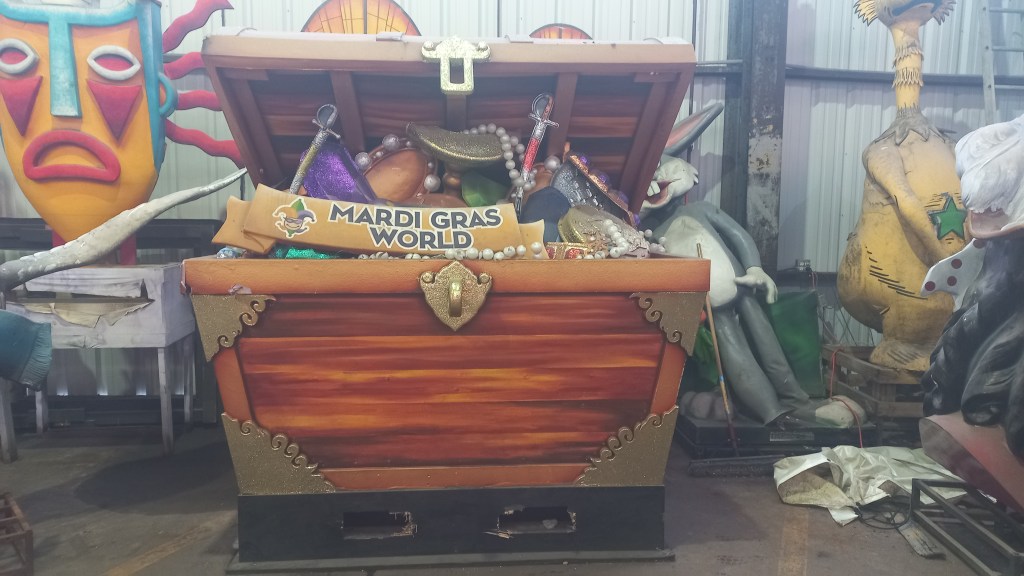
Mardi Gras, also known as “Fat Tuesday,” is a vibrant and festive celebration that takes place annually before the Christian season of Lent. It is particularly famous in New Orleans, Louisiana, but is also celebrated in various parts of Texas, bringing people together to enjoy parades, music, and traditional festivities.
Origins and Meaning
Mardi Gras has its roots in medieval Europe, brought to the United States by French explorers in the 17th century. The celebration marks the final day of indulgence before the fasting period of Lent begins on Ash Wednesday. The name “Fat Tuesday” refers to the tradition of feasting on rich foods before the Lenten season of sacrifice and reflection.
Mardi Gras Traditions
One of the most recognizable aspects of Mardi Gras is its grand parades. Colorful floats, marching bands, and costumed performers fill the streets, throwing beads, coins (doubloons), and trinkets to the cheering crowds. The official colors of Mardi Gras—purple (symbolizing justice), green (symbolizing faith), and gold (symbolizing power)—are prominently displayed in decorations, masks, and outfits.
Masks and costumes play a significant role in Mardi Gras celebrations, allowing participants to embrace the spirit of mystery and fun. Another key tradition is the King Cake, a sweet, cinnamon-filled pastry decorated with icing and colored sugar. A small baby figurine is hidden inside the cake, and the person who finds it is responsible for hosting the next Mardi Gras party.
Mardi Gras in Texas
While New Orleans is the heart of Mardi Gras in the U.S., Texas also hosts lively celebrations. Cities like Galveston and Houston hold grand parades, masquerade balls, and street parties that attract thousands of visitors. Galveston’s Mardi Gras is particularly well-known, featuring extravagant parades, concerts, and balcony parties reminiscent of New Orleans’ Bourbon Street.
A Celebration for Everyone
Mardi Gras is a time of joy, unity, and community spirit. Whether attending a large parade or hosting a small party with friends and family, the celebration offers something for everyone. It’s a moment to embrace culture, enjoy music, and indulge in delicious food before the more solemn period of Lent begins.
Have you ever experienced a Mardi Gras celebration in Texas? Share your thoughts and favorite moments in the comments!
If you’re looking for a flexible way to earn some extra cash or even make driving your full-time gig, becoming an Uber driver in Texas could be a great fit for you. The vast landscapes, bustling cities, and unique culture make driving in the Lone Star State an adventure worth exploring. Let’s dive into what it’s like to be an Uber driver here!
The Flexibility You Crave
One of the best things about driving for Uber is the flexibility it offers. Whether you’re a student, a stay-at-home parent, or someone looking for a side hustle, you can choose your own hours. In Texas, where traffic can vary greatly depending on the time of day, you can easily adapt your schedule to drive during peak hours or when you have a free moment. This means you can earn money while still having time for other commitments.
Discovering Texas Through Your Rides
Driving for Uber isn’t just about picking up passengers; it’s also about experiencing the diverse culture and landscapes of Texas. From the lively streets of Austin to the vibrant nightlife of Houston, every ride can lead you to a new adventure. You never know who you might meet or what stories you might hear. Plus, you can share your favorite local spots with your passengers, making each ride a little more personal and enjoyable.
The Ups and Downs of Ridesharing
Like any job, driving for Uber has its ups and downs. On one hand, you get to set your own hours and meet interesting people. On the other hand, dealing with traffic, potential cancellations, and the occasional difficult passenger can be challenging. However, many drivers find that the positives outweigh the negatives, especially when they see their earnings grow.
Tips for Success
To make the most of your Uber driving experience in Texas, consider these tips:
Know Your City: Familiarize yourself with the hotspots and popular destinations in your area. This knowledge will help you navigate efficiently and keep your passengers happy.
Maintain Your Vehicle: A clean, well-maintained car is essential for providing a great experience for your passengers. Regularly check your vehicle’s oil, tires, and brakes to ensure a safe ride.
Stay Connected: Keep your phone charged and use a reliable GPS app to help you find the best routes. Good communication with your passengers can also enhance their experience.
Be Friendly and Professional: A warm smile and friendly conversation can go a long way. People appreciate drivers who make them feel comfortable and valued.
Final Thoughts
Driving for Uber in Texas offers a unique blend of flexibility, adventure, and the opportunity to earn money while exploring the state’s vibrant culture. Whether you’re looking to drive part-time or dive into it full-time, there’s plenty to gain from this experience. So buckle up, hit the road, and enjoy the ride—you never know what you might discover along the way!
Join Uber and Start Earning on Your Own Schedule! 🚗💨
Have you ever thought about becoming an Uber driver? Whether you’re looking for a flexible way to earn extra income or a new full-time opportunity, Uber gives you the freedom to drive on your own terms.
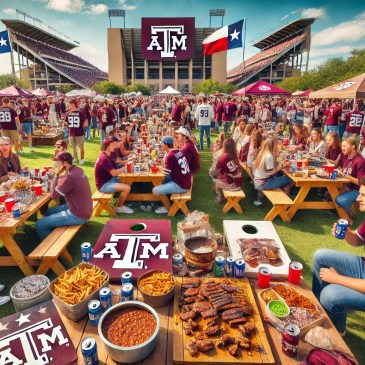
Tailgating at Texas A&M University (TAMU) is more than just a pre-game ritual; it’s a vibrant celebration of camaraderie, school spirit, and tradition that brings Aggies together. Whether you’re a lifelong fan or a newcomer to the TAMU community, experiencing a tailgate is a must during football season. Here’s a closer look at what makes tailgating at TAMU so special.
The Spirit of Aggieland
At TAMU, tailgating is deeply rooted in the university’s traditions. Aggies pride themselves on their strong sense of community, and tailgating offers a unique opportunity to connect with fellow fans. As you stroll through the parking lots surrounding Kyle Field, you’ll find groups of alumni, students, and families gathering around their grills, sharing food, and exchanging stories. The sense of belonging and pride is palpable, making it an unforgettable experience.
Food, Friends, and Fun
One of the highlights of any tailgate is the food. From barbecued brisket to classic Texas chili, the culinary offerings are as diverse as the Aggie family itself. Many groups go all out, setting up elaborate spreads with homemade dishes, snacks, and plenty of beverages. Don’t forget to try some signature Texas treats like Frito pie or Texas-style queso!
Beyond the food, tailgating is all about the company. Friends and family come together to enjoy each other’s company, play games, and celebrate their love for the Aggies. Cornhole, ladder toss, and other games are common sights, adding an element of friendly competition to the atmosphere.
The March-In and Traditions
As game time approaches, the excitement builds with the iconic Aggie Band march-in. Watching the band march into Kyle Field, performing rousing tunes that echo through the stadium, is a thrilling prelude to the game. Aggies also partake in various traditions, such as the 12th Man’s spirit and the Yell Leaders leading yells, which create an electric atmosphere that is unmatched.
Getting Involved
If you’re new to TAMU or looking to get involved in the tailgating scene, there are plenty of ways to join in on the fun. Many student organizations, alumni chapters, and community groups host tailgates open to everyone. It’s a great way to meet new people and share in the excitement of Aggie football.
Tips for a Successful Tailgate
Arrive Early: Tailgating typically starts several hours before kickoff, so plan to arrive early to secure a good spot and set up your area.
Bring Essentials: Don’t forget to pack a cooler with drinks, utensils, and any games you want to play. A portable grill can also be a game-changer for cooking up delicious meals.
Dress for the Occasion: Show your Aggie pride by wearing maroon and white. Comfortable shoes are a must, as you’ll likely be on your feet socializing and playing games.
Respect Your Neighbors: Tailgating is all about community. Be considerate of your fellow tailgaters, keep the noise levels manageable, and clean up after yourself.
Tailgating at Texas A&M University is a cherished tradition that embodies the spirit of Aggieland. It’s a time to gather with friends and family, celebrate school pride, and create lasting memories. Whether you’re grilling up some barbecue or cheering on the Aggies from the stands, the sense of community and excitement is what makes TAMU tailgating truly special. So, grab your friends, prepare your favorite dish, and immerse yourself in the unforgettable atmosphere that only Aggieland can offer! Gig ’em!
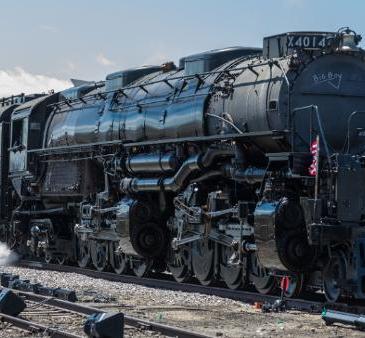
Among the many iconic steam engines that have roared across the American landscape, one stands out as a true marvel of engineering: the Big Boy No. 4014. This massive locomotive is not just a symbol of the golden age of railroads but also a piece of history that has captured the hearts of rail enthusiasts, historians, and travelers alike.
The Rise of the Big Boy
Built in 1941 by the Union Pacific Railroad, Big Boy No. 4014 was part of a series of 25 locomotives designed for hauling freight over the rugged terrain of the western United States. These locomotives were some of the largest and most powerful steam engines ever built, with a total weight of 1.2 million pounds and a length of over 132 feet. They were engineered to pull heavy freight trains across the challenging grades of the Rocky Mountains and other high-elevation areas.
The Big Boy locomotives were powered by a massive 4-8-8-4 wheel arrangement, meaning they had four front driving wheels, eight large rear wheels, and four rear trailing wheels. The 4014 model, like the other Big Boys, boasted an impressive 135,000 pounds of tractive effort, allowing it to haul up to 3,600 tons on flat terrain.
These locomotives were a true technological marvel of their time, able to generate enough power to pull freight over long distances, even in the face of difficult terrain and adverse weather conditions.
The Golden Era and Retirement
During its time of service, Big Boy No. 4014 was used primarily to transport freight across the western U.S., including the famous transcontinental routes. However, as the 1950s and 1960s rolled in, diesel-electric locomotives began to dominate the railroad industry, offering greater efficiency and less maintenance compared to steam engines.
In 1959, Big Boy No. 4014 was retired from active service and moved into storage, eventually being placed on display in Cheyenne, Wyoming. There, it stood as a reminder of the past, a relic of a time when steam engines were kings of the rails.
A Second Life: Restoration and Rebirth
In 2019, the Union Pacific Railroad began an ambitious project to restore Big Boy No. 4014 to its former glory. After spending decades in storage, it was no small feat to bring this steam giant back to life. The restoration process took several years, with thousands of hours of labor required to ensure that the locomotive was safe and operational.
The restoration was a labor of love, with engineers and historians working hand in hand to maintain the authenticity of the engine while upgrading its systems to meet modern standards. The engine’s original boiler, wheels, and other vital components were meticulously refurbished. Even the historic paintwork was restored to reflect its original livery.
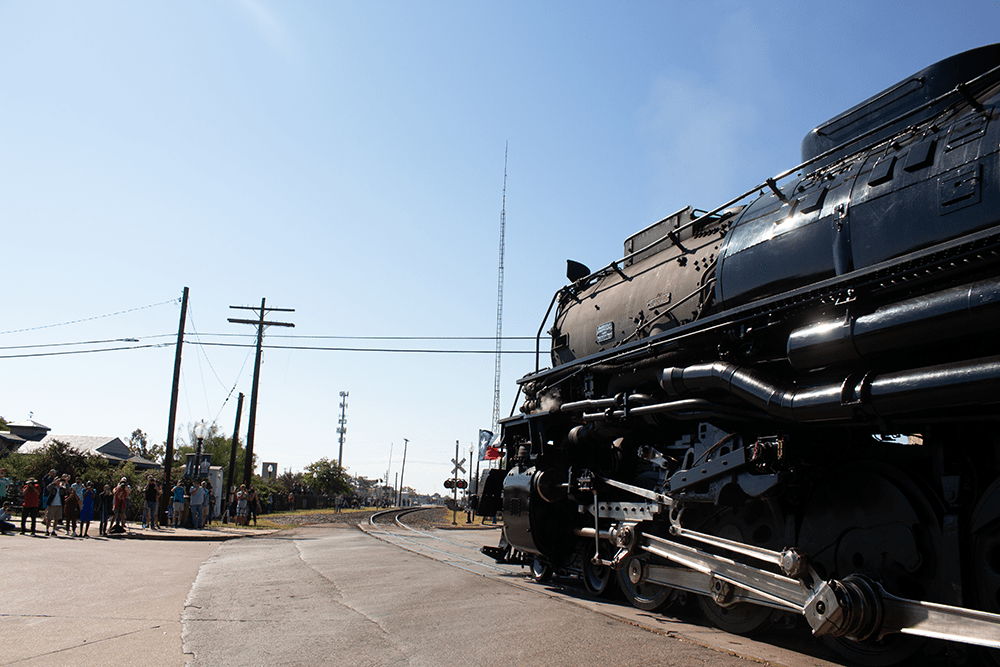
In May 2021, after years of work, Big Boy No. 4014 was ready to hit the tracks once again. Its triumphant return was celebrated with a series of tours across the U.S., drawing crowds of onlookers who marveled at its sheer size and the haunting sound of its whistle echoing across the plains.
A Modern-Day Icon
Today, Big Boy No. 4014 continues to capture the imagination of people young and old. Its massive size and historical significance make it a powerful symbol of American ingenuity and the spirit of the railroad era.
Big Boy No. 4014 has not only become a symbol of the past, but also a living testament to the power of steam locomotion. It stands as a link between generations, offering a tangible connection to a time when trains were the backbone of the nation’s economy and the lifeblood of the American West.
Whether you’re a railroad enthusiast or simply someone who appreciates history, the sight of Big Boy No. 4014 in action is something you won’t forget. As it continues to roll across the American landscape, it reminds us of a time when steam was king, and the railroad was the gateway to the future.
Where to See Big Boy No. 4014
Big Boy No. 4014 is primarily based in Cheyenne, Wyoming, where Union Pacific Railroad maintains it. However, it occasionally embarks on special excursions and public displays, allowing people from all over the country to experience the grandeur of this massive locomotive. Check the Union Pacific website or other railroad event websites for updates on upcoming events.









 Texas Life