Texas A&M Bonfire Memorial: A Tradition, A Tragedy, and a Legacy Remembered

Every November, the Texas A&M community pauses to remember one of the most defining events in Aggieland’s history — the 1999 Bonfire collapse. On November 18, Aggies honor the lives lost, reflect on the spirit that binds the university together, and gather at the Bonfire Memorial to pay tribute to a tradition that shaped generations.

A Tradition Built on Spirit

For nearly a century, Aggie Bonfire stood as a symbol of unity and school pride. Beginning in 1909, thousands of students gathered each fall to build a towering stack of timber — a fiery representation of Aggie passion before the annual football game against the University of Texas.

Bonfire was more than an event; it was a shared experience. Students from different majors, backgrounds, and years worked side by side, learning teamwork, leadership, and the meaning of the Aggie Spirit.

The Night That Changed Everything

In the early morning hours of November 18, 1999, the stack collapsed during construction.
Twelve Aggies lost their lives, and many others were injured. It was a moment that shook the entire university and left a mark on the culture of Texas A&M forever.

But even in tragedy, the Aggie Spirit shone brighter than ever. Students, faculty, staff, first responders, and families came together in solidarity — a strength that continues to define Texas A&M today.

The Bonfire Memorial

Dedicated in 2004, the Bonfire Memorial stands on the site of the collapse as a place of reflection, remembrance, and respect.

The memorial has three main elements:

🕯 The Spirit Ring

A large circular space symbolizing unity and the Aggie Spirit. It represents the bond shared by all Aggies, past and present.

🕯 The Twelve Portals

Each portal honors one of the 12 students who lost their lives.
Every portal is aligned with the hometown of the student it represents and includes personal details that celebrate their life, dreams, and Aggie journey.

🕯 The History Walk

A pathway that guides visitors through the long-standing Bonfire tradition and the events of 1999.
It serves as both an educational experience and a reminder of the values Texas A&M holds dear — leadership, service, humility, and love for community.

Why It Matters Today

While Bonfire is no longer an official Texas A&M event, the memorial keeps the tradition’s spirit alive in a meaningful way.
Every year on November 18, Aggies come together to remember, reflect, and honor the lives lost — ensuring that their legacy continues to inspire future generations.

The Bonfire Memorial is more than a monument. It is a reminder of resilience, unity, and the enduring power of the Aggie Spirit.

Visiting the Memorial

📍 Location: Bonfire Memorial, Texas A&M University, College Station
🕯 Open to the public year-round
Many visitors choose to come at sunrise or sunset for the quiet, reflective atmosphere.

Sip, Savor, and Stay Awhile: Discovering Polite Coffee Roasters

Nestled in the heart of Downtown Bryan, Polite Coffee Roasters is more than just a place to grab your morning caffeine fix—it’s a local gem that captures the spirit of community, craftsmanship, and a genuine love for good coffee.

Housed in the beautifully restored Historic Kyle House, Polite Coffee blends history and hospitality in a way that feels both nostalgic and fresh. From the moment you step inside, you’re greeted by the warm scent of freshly roasted beans, friendly baristas, and a space that invites you to sit, work, or catch up with friends.

What sets Polite Coffee apart isn’t just the charming atmosphere—it’s the quality. Their beans are roasted in-house, and the menu features everything from classic drip coffee to seasonal specialties and expertly crafted espresso drinks. The Polite Punch (a chilled citrus espresso drink) and their oat milk lattes are local favorites.

Beyond the drinks, Polite Coffee also serves as a community hub. Whether you’re attending a local event, studying for finals, or just enjoying the outdoor patio on a sunny day, it’s a place that makes you feel welcome. Their motto, “Be Polite and Drink Great Coffee,” says it all.

So, if you’re in the Bryan-College Station area, make time to stop by Polite Coffee. You’ll find great coffee, genuine smiles, and a space that feels like home—one cup at a time.

Honoring the Fallen: How Memorial Day is Celebrated in Texas

Every year on the last Monday of May, Americans come together to observe Memorial Day—a time to honor the men and women of the U.S. military who lost their lives in service to their country. While it is a national holiday across the United States, Memorial Day holds a unique cultural and emotional significance in Texas.

Memorial Day originated after the Civil War as a way to commemorate fallen Union soldiers. Over time, it evolved into a day of remembrance for all military personnel who died in U.S. wars. It’s not just a long weekend or the unofficial start of summer—it’s a solemn day of reflection, gratitude, and national pride.

In Texas, where military service is deeply woven into the state’s identity, Memorial Day is observed with heartfelt respect. With numerous military bases, veterans, and active-duty personnel calling Texas home, the day resonates strongly with local communities.

Here are some common ways Texans observe Memorial Day:

1. Ceremonies and Parades

Cities across Texas, from Houston and Dallas to smaller towns like College Station, host Memorial Day parades and remembrance ceremonies. Veterans, local officials, and community members gather to pay tribute to those who served and sacrificed.

2. Visits to Cemeteries and Memorials

Many Texans visit local cemeteries and military graves, leaving flowers, small flags, or personal tributes. Places like the Texas State Cemetery in Austin or the Aggie Field of Honor in College Station often hold ceremonies that draw large crowds.

3. Moments of Silence

At 3:00 p.m. local time, many Texans participate in the National Moment of Remembrance, pausing for one minute to reflect on the true meaning of the holiday.

4. Community Events and Family Gatherings

While Memorial Day is a time of solemn remembrance, it’s also a moment for families and communities to come together. Backyard barbecues, picnics, and lake trips are common, especially in warm Texas weather. American flags wave from porches and front yards, blending celebration with commemoration.

Living in Texas, I’ve noticed how deeply this day is respected. Whether it’s seeing children learning about the holiday in school, or watching neighbors proudly display their flags, the spirit of Memorial Day is alive here. It’s a reminder that freedom comes at a cost—and that cost is honored every year with sincere gratitude.

Memorial Day is more than a holiday—it’s a powerful tribute to American values of courage, service, and sacrifice. In Texas, that meaning is felt in every community, big or small. Whether you’re attending a ceremony, spending time with loved ones, or simply taking a moment to reflect, you’re part of a nationwide act of remembrance.

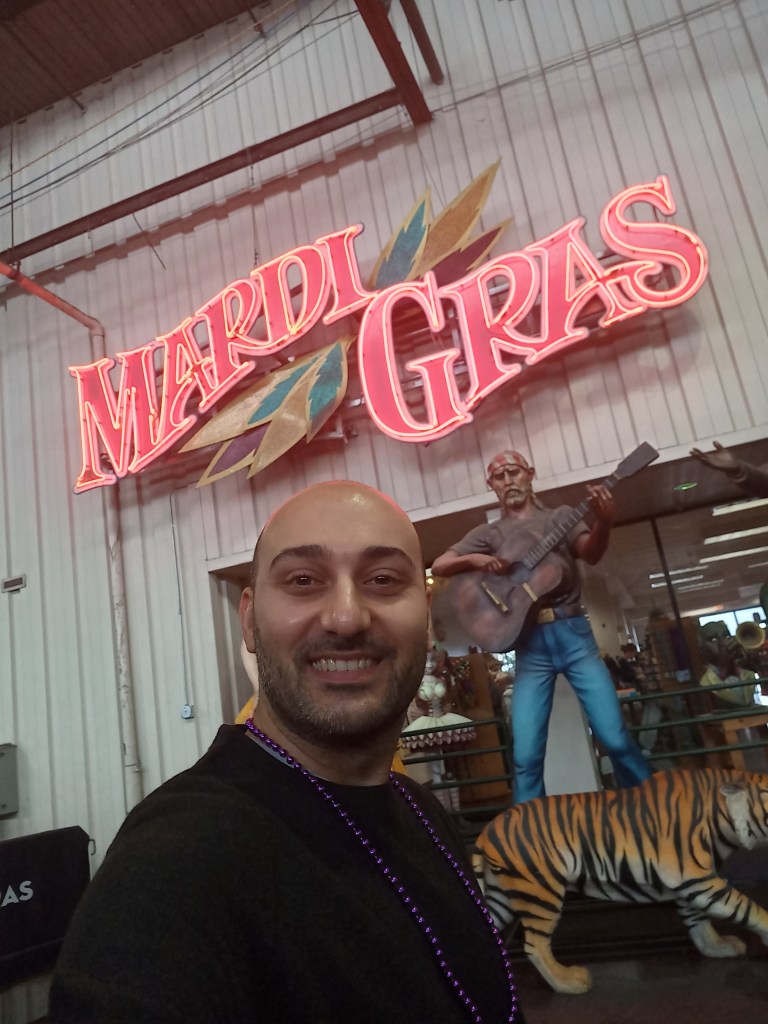
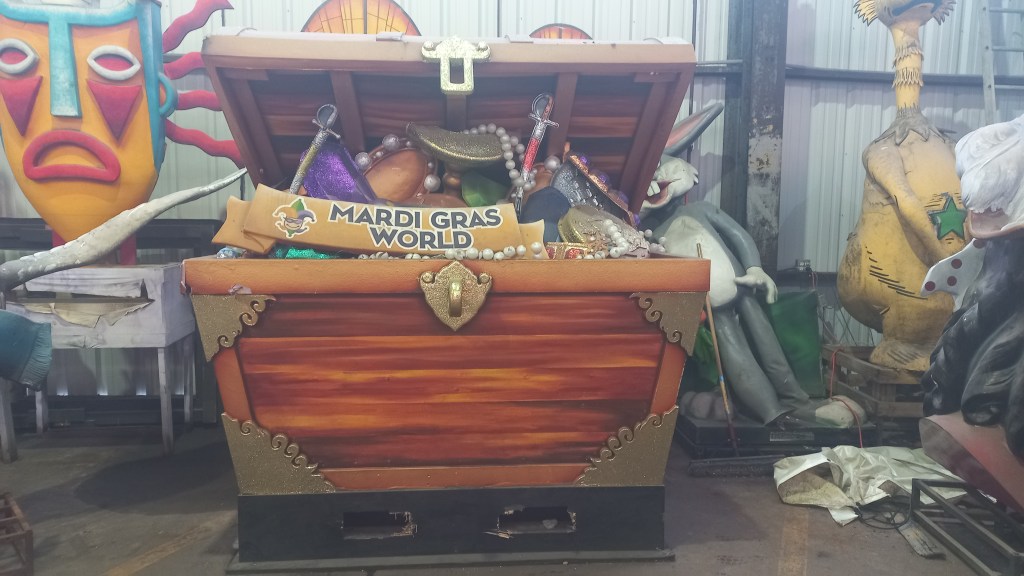
Mardi Gras: A Colorful Celebration of Tradition and Joy

Mardi Gras, also known as “Fat Tuesday,” is a vibrant and festive celebration that takes place annually before the Christian season of Lent. It is particularly famous in New Orleans, Louisiana, but is also celebrated in various parts of Texas, bringing people together to enjoy parades, music, and traditional festivities.

Origins and Meaning

Mardi Gras has its roots in medieval Europe, brought to the United States by French explorers in the 17th century. The celebration marks the final day of indulgence before the fasting period of Lent begins on Ash Wednesday. The name “Fat Tuesday” refers to the tradition of feasting on rich foods before the Lenten season of sacrifice and reflection.

Mardi Gras Traditions

One of the most recognizable aspects of Mardi Gras is its grand parades. Colorful floats, marching bands, and costumed performers fill the streets, throwing beads, coins (doubloons), and trinkets to the cheering crowds. The official colors of Mardi Gras—purple (symbolizing justice), green (symbolizing faith), and gold (symbolizing power)—are prominently displayed in decorations, masks, and outfits.

Masks and costumes play a significant role in Mardi Gras celebrations, allowing participants to embrace the spirit of mystery and fun. Another key tradition is the King Cake, a sweet, cinnamon-filled pastry decorated with icing and colored sugar. A small baby figurine is hidden inside the cake, and the person who finds it is responsible for hosting the next Mardi Gras party.

Mardi Gras in Texas

While New Orleans is the heart of Mardi Gras in the U.S., Texas also hosts lively celebrations. Cities like Galveston and Houston hold grand parades, masquerade balls, and street parties that attract thousands of visitors. Galveston’s Mardi Gras is particularly well-known, featuring extravagant parades, concerts, and balcony parties reminiscent of New Orleans’ Bourbon Street.

A Celebration for Everyone

Mardi Gras is a time of joy, unity, and community spirit. Whether attending a large parade or hosting a small party with friends and family, the celebration offers something for everyone. It’s a moment to embrace culture, enjoy music, and indulge in delicious food before the more solemn period of Lent begins.

Have you ever experienced a Mardi Gras celebration in Texas? Share your thoughts and favorite moments in the comments!

Discovering the Charms of Downtown Bryan: A Hidden Gem in Texas

Nestled in the heart of the Lone Star State, Downtown Bryan stands as a beacon of history, culture, and community spirit. Tucked away from the bustling metropolises of Texas, this quaint yet vibrant district offers a unique blend of small-town charm and modern allure. From its historic buildings to its eclectic shops and lively events, Downtown Bryan beckons visitors to explore its streets and uncover its many treasures.

A Walk Through History

Stepping into Downtown Bryan feels like taking a stroll through the pages of Texas history. The district boasts an array of beautifully preserved buildings, each with its own story to tell. Marvel at the elegant architecture of the Queen Anne-style homes that line the streets, or wander through the historic downtown square, where buildings dating back to the late 19th century still stand tall. As you explore, you’ll discover plaques and markers that offer insight into the area’s rich past, from its humble beginnings as a railroad town to its role in the state’s agricultural and industrial development.

Shop, Dine, and Unwind

Beyond its historical significance, Downtown Bryan is a haven for shoppers and food enthusiasts alike. Spend an afternoon browsing the charming boutiques that line the streets, where you’ll find everything from unique handmade crafts to one-of-a-kind fashion pieces. After working up an appetite, treat yourself to a culinary adventure at one of the district’s many restaurants and cafes, where you can savor everything from classic Texas barbecue to gourmet cuisine crafted from locally sourced ingredients. And when the sun begins to set, unwind with a refreshing drink at one of the area’s cozy bars or breweries, where you can enjoy live music and friendly conversation late into the evening.

A Hub of Arts and Culture

In addition to its historical and culinary delights, Downtown Bryan is a vibrant hub of arts and culture. The district is home to numerous art galleries and studios, where local artists showcase their talents through a variety of mediums. From paintings and sculptures to photography and mixed media, there’s something to inspire and captivate art enthusiasts of all tastes. Be sure to check out the district’s calendar of events, which includes art walks, live performances, and cultural festivals throughout the year. Whether you’re a seasoned art aficionado or simply appreciate creativity in all its forms, Downtown Bryan offers a wealth of opportunities to explore and engage with the local arts scene.

Community Spirit and Hospitality

What truly sets Downtown Bryan apart, however, is its sense of community spirit and hospitality. From the moment you arrive, you’ll be greeted with warm smiles and friendly greetings from the locals, who take pride in sharing their beloved district with visitors from near and far. Whether you’re chatting with shopkeepers, sampling local delicacies, or simply soaking in the sights and sounds of the bustling streets, you’ll quickly feel like part of the Downtown Bryan family. And as you bid farewell to this charming corner of Texas, you’ll carry with you memories of laughter, camaraderie, and the timeless allure of a place where past and present converge in perfect harmony.

Unraveling the Mystique of “Howdy”: A Glimpse into its Origins and Cultural Significance

In the lexicon of informal greetings, “Howdy” stands out as a quintessentially American salutation. Evoking images of the Wild West, cowboy hats, and hearty handshakes, “Howdy” carries with it a sense of warmth and familiarity that transcends regional boundaries. But what exactly is the story behind this iconic phrase, and why does it continue to hold such cultural significance? Let’s embark on a journey to uncover the origins and deeper meanings behind the humble yet ubiquitous “Howdy.”

Origins of “Howdy”

The etymology of “Howdy” can be traced back to the mid-19th century, emerging as a contraction of the greeting “How do you do?” Its roots lie in the colloquial speech of rural America, particularly in the Southern and Southwestern regions where it gained popularity among farmers, ranchers, and settlers. With the expansion of the American frontier during the 1800s, “Howdy” became ingrained in the vernacular of pioneers and frontiersmen as a simple and informal way to greet one another.

Cultural Significance

At its core, “Howdy” embodies the values of hospitality, camaraderie, and neighborliness that are deeply ingrained in American culture. Whether exchanged between strangers passing on a dusty trail or shared among friends catching up on a porch swing, the word carries a sense of warmth and openness that transcends social barriers.

Beyond its literal meaning, “Howdy” also serves as a symbol of authenticity and genuineness. In a fast-paced world where interactions are often fleeting and superficial, the sincerity conveyed by a heartfelt “Howdy” can be a refreshing reminder of simpler times and genuine human connection.

Moreover, “Howdy” has become firmly entrenched in popular culture, thanks in part to its frequent appearance in literature, film, and television. From the drawling cowboys of Western movies to the friendly faces of rural sitcoms, the word has been immortalized as a timeless emblem of Americana.

Modern Usage

Despite its roots in the past, “Howdy” continues to endure as a beloved greeting in contemporary society. While it may have originated in rural settings, the phrase has transcended geographic boundaries to become a staple of American English, heard in cities, suburbs, and countryside alike.

In today’s interconnected world, “Howdy” has also found a new home in digital communication. Whether exchanged in text messages, emails, or virtual meetings, the word retains its charm and warmth even in the impersonal realm of cyberspace.

Moreover, “Howdy” has evolved beyond its original context to become a symbol of welcome and inclusivity. Universities, particularly in the Southern United States, often incorporate the phrase into their branding and campus culture as a way to greet newcomers and foster a sense of community.

In the tapestry of American language and culture, “Howdy” occupies a unique and cherished place. From its humble origins on the frontier to its modern-day resonance in the digital age, the word embodies the enduring values of hospitality, sincerity, and connection that define the American spirit.

So the next time you find yourself in the company of friends or strangers, consider greeting them with a hearty “Howdy.” In doing so, you’ll not only pay homage to a rich linguistic tradition but also embrace a timeless expression of warmth and goodwill. After all, in a world filled with constant change, a friendly “Howdy” can serve as a comforting reminder of our shared humanity.