Texas A&M Bonfire Memorial: A Tradition, A Tragedy, and a Legacy Remembered

Every November, the Texas A&M community pauses to remember one of the most defining events in Aggieland’s history — the 1999 Bonfire collapse. On November 18, Aggies honor the lives lost, reflect on the spirit that binds the university together, and gather at the Bonfire Memorial to pay tribute to a tradition that shaped generations.

A Tradition Built on Spirit

For nearly a century, Aggie Bonfire stood as a symbol of unity and school pride. Beginning in 1909, thousands of students gathered each fall to build a towering stack of timber — a fiery representation of Aggie passion before the annual football game against the University of Texas.

Bonfire was more than an event; it was a shared experience. Students from different majors, backgrounds, and years worked side by side, learning teamwork, leadership, and the meaning of the Aggie Spirit.

The Night That Changed Everything

In the early morning hours of November 18, 1999, the stack collapsed during construction.
Twelve Aggies lost their lives, and many others were injured. It was a moment that shook the entire university and left a mark on the culture of Texas A&M forever.

But even in tragedy, the Aggie Spirit shone brighter than ever. Students, faculty, staff, first responders, and families came together in solidarity — a strength that continues to define Texas A&M today.

The Bonfire Memorial

Dedicated in 2004, the Bonfire Memorial stands on the site of the collapse as a place of reflection, remembrance, and respect.

The memorial has three main elements:

🕯 The Spirit Ring

A large circular space symbolizing unity and the Aggie Spirit. It represents the bond shared by all Aggies, past and present.

🕯 The Twelve Portals

Each portal honors one of the 12 students who lost their lives.
Every portal is aligned with the hometown of the student it represents and includes personal details that celebrate their life, dreams, and Aggie journey.

🕯 The History Walk

A pathway that guides visitors through the long-standing Bonfire tradition and the events of 1999.
It serves as both an educational experience and a reminder of the values Texas A&M holds dear — leadership, service, humility, and love for community.

Why It Matters Today

While Bonfire is no longer an official Texas A&M event, the memorial keeps the tradition’s spirit alive in a meaningful way.
Every year on November 18, Aggies come together to remember, reflect, and honor the lives lost — ensuring that their legacy continues to inspire future generations.

The Bonfire Memorial is more than a monument. It is a reminder of resilience, unity, and the enduring power of the Aggie Spirit.

Visiting the Memorial

📍 Location: Bonfire Memorial, Texas A&M University, College Station
🕯 Open to the public year-round
Many visitors choose to come at sunrise or sunset for the quiet, reflective atmosphere.

Tailgating at Texas A&M University: A Tradition Like No Other

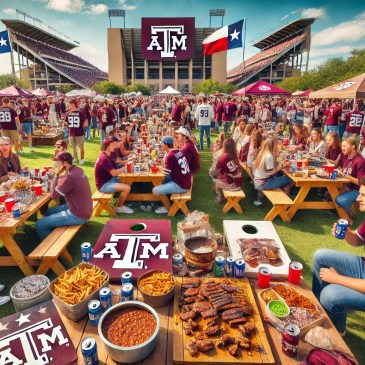
Tailgating at Texas A&M University (TAMU) is more than just a pre-game ritual; it’s a vibrant celebration of camaraderie, school spirit, and tradition that brings Aggies together. Whether you’re a lifelong fan or a newcomer to the TAMU community, experiencing a tailgate is a must during football season. Here’s a closer look at what makes tailgating at TAMU so special.

The Spirit of Aggieland

At TAMU, tailgating is deeply rooted in the university’s traditions. Aggies pride themselves on their strong sense of community, and tailgating offers a unique opportunity to connect with fellow fans. As you stroll through the parking lots surrounding Kyle Field, you’ll find groups of alumni, students, and families gathering around their grills, sharing food, and exchanging stories. The sense of belonging and pride is palpable, making it an unforgettable experience.

Food, Friends, and Fun

One of the highlights of any tailgate is the food. From barbecued brisket to classic Texas chili, the culinary offerings are as diverse as the Aggie family itself. Many groups go all out, setting up elaborate spreads with homemade dishes, snacks, and plenty of beverages. Don’t forget to try some signature Texas treats like Frito pie or Texas-style queso!

Beyond the food, tailgating is all about the company. Friends and family come together to enjoy each other’s company, play games, and celebrate their love for the Aggies. Cornhole, ladder toss, and other games are common sights, adding an element of friendly competition to the atmosphere.

The March-In and Traditions

As game time approaches, the excitement builds with the iconic Aggie Band march-in. Watching the band march into Kyle Field, performing rousing tunes that echo through the stadium, is a thrilling prelude to the game. Aggies also partake in various traditions, such as the 12th Man’s spirit and the Yell Leaders leading yells, which create an electric atmosphere that is unmatched.

Getting Involved

If you’re new to TAMU or looking to get involved in the tailgating scene, there are plenty of ways to join in on the fun. Many student organizations, alumni chapters, and community groups host tailgates open to everyone. It’s a great way to meet new people and share in the excitement of Aggie football.

Tips for a Successful Tailgate

  • Arrive Early: Tailgating typically starts several hours before kickoff, so plan to arrive early to secure a good spot and set up your area.
  • Bring Essentials: Don’t forget to pack a cooler with drinks, utensils, and any games you want to play. A portable grill can also be a game-changer for cooking up delicious meals.
  • Dress for the Occasion: Show your Aggie pride by wearing maroon and white. Comfortable shoes are a must, as you’ll likely be on your feet socializing and playing games.
  • Respect Your Neighbors: Tailgating is all about community. Be considerate of your fellow tailgaters, keep the noise levels manageable, and clean up after yourself.

Tailgating at Texas A&M University is a cherished tradition that embodies the spirit of Aggieland. It’s a time to gather with friends and family, celebrate school pride, and create lasting memories. Whether you’re grilling up some barbecue or cheering on the Aggies from the stands, the sense of community and excitement is what makes TAMU tailgating truly special. So, grab your friends, prepare your favorite dish, and immerse yourself in the unforgettable atmosphere that only Aggieland can offer! Gig ’em!

Football and the 12th Man: The Heart of Texas A&M University

Football at Texas A&M University is more than just a sport—it’s a way of life. For Aggies, the energy that fills Kyle Field on game day is a reflection of the unity and passion that runs through the very fabric of the university. Central to this experience is the “12th Man” tradition, a symbol of loyalty, readiness, and the unyielding support that defines Texas A&M’s fanbase.

A Rich Football History

Texas A&M’s football program has a long and storied history, dating back to its formation in 1894. Over the years, the Aggies have built a reputation as one of the most competitive teams in college football, boasting numerous conference titles and bowl appearances. Whether it’s during the thrilling days of the Southwest Conference or their current status as a powerhouse in the Southeastern Conference (SEC), Texas A&M has consistently fielded teams that embody determination, grit, and the spirit of Aggieland.

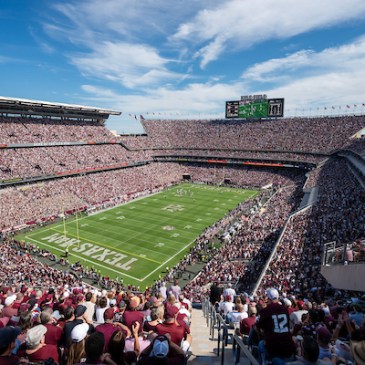
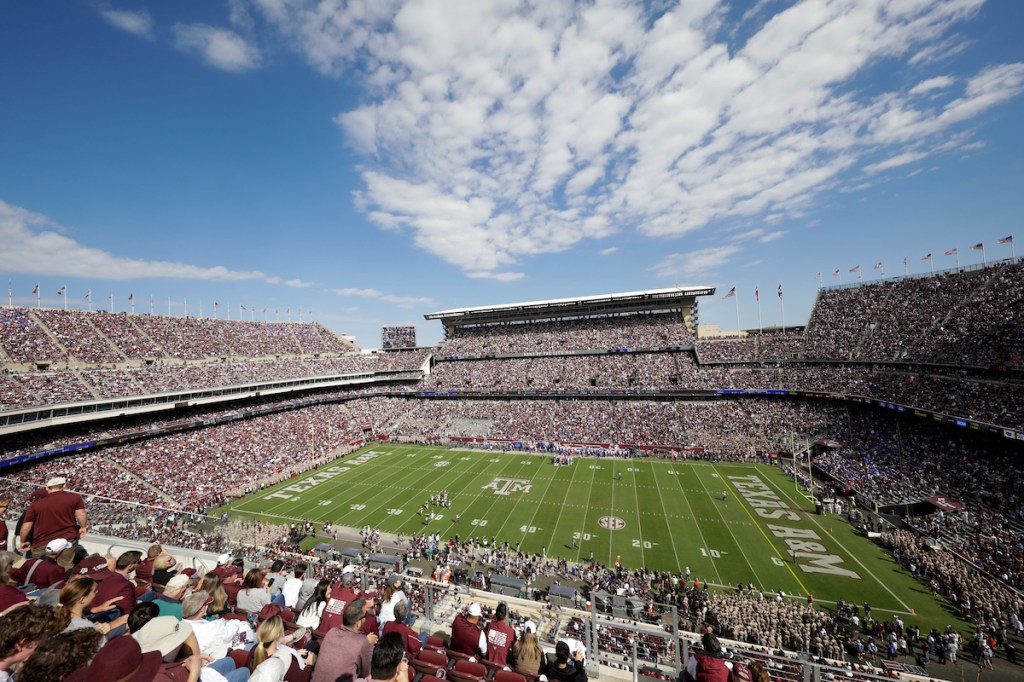
The Aggies’ home, Kyle Field, is often referred to as the “Home of the 12th Man” and is one of the most iconic stadiums in college football. With a seating capacity exceeding 100,000, it’s not just the size that makes Kyle Field special—it’s the atmosphere. The electric energy on game days, created by the thunderous cheers of the fans, makes Kyle Field one of the most intimidating places for visiting teams.

The Tradition of the 12th Man

At the heart of this football fervor is the 12th Man, a tradition that has come to define Texas A&M athletics. The origin of the 12th Man traces back to January 2, 1922, during the Dixie Classic, where Texas A&M faced off against the heavily favored Centre College. Injuries plagued the Aggie roster, and with the game hanging in the balance, head coach Dana X. Bible called upon E. King Gill, a former football player who had switched to basketball and was assisting in the press box that day. Without hesitation, Gill suited up, ready to take the field if needed.

Although Gill never entered the game, his willingness to support his team became a legendary moment. That simple act of readiness is what the 12th Man represents today: an unwavering commitment to stand ready for the team, symbolizing the unity and spirit that all Aggies share.

The 12th Man in Modern Football

Today, the 12th Man tradition is alive and well at Texas A&M, manifesting itself through the passionate fan base that stands throughout the entirety of each football game, showing their readiness to support the team. The entire student section, often referred to as the 12th Man, is known for its deafening cheers, chants, and their constant standing—emulating the selflessness of E. King Gill.

One of the most visible ways the tradition continues is through the 12th Man jersey, awarded each year to a player who embodies the spirit of hard work, loyalty, and dedication to the team. This walk-on player dons the number 12, paying homage to Gill and representing every Aggie who stands ready to support the team, no matter the odds.

Additionally, Kyle Field’s atmosphere owes much of its intensity to the presence of the 12th Man. The Aggie War Hymn, the cheers led by the Yell Leaders, and the energy of over 100,000 fans make Kyle Field a daunting place for opponents to play. The stadium’s home-field advantage is in no small part due to the relentless spirit of the 12th Man.

Football and Community

The connection between football and the 12th Man goes beyond the games. It reflects the deep bond among Texas A&M students, alumni, and fans worldwide. On game days, Aggies from all walks of life gather to support the team, whether in person at Kyle Field, at local watch parties, or even halfway across the globe. This sense of community is a cornerstone of the university’s culture and is felt strongly throughout football season.

The 12th Man represents the broader Aggie values of loyalty, unity, and service, which extend into all areas of life at Texas A&M. The selfless dedication that began with E. King Gill is mirrored in the service-oriented nature of the Aggie network, with alumni and current students constantly giving back to their communities and supporting one another.

The Spirit of Aggie Football

Football at Texas A&M is more than a sport; it’s an experience that reflects the university’s enduring traditions. The 12th Man, in particular, plays a crucial role in maintaining that experience. From standing throughout the game, to leading cheers, to representing the spirit of readiness, the 12th Man shows what it means to be an Aggie: standing together, ready to serve, and always showing up for your team.

The Aggies’ dedication to their football program and their commitment to the 12th Man tradition ensures that each game at Kyle Field is not just a competition—it’s a celebration of the Aggie spirit. As the Texas A&M fight song says, “We are the Aggies, the Aggies are we,” and as long as there are Aggies, the 12th Man will always be standing tall.

Exploring the Essence of Aggieland: A Fusion of Tradition, Spirit, and Innovation

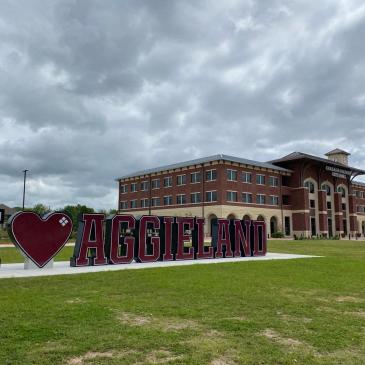
Nestled in the heart of Texas lies a place where tradition meets innovation, where spirit thrives, and where a sense of community resonates in every corner. Welcome to Aggieland, the vibrant home of Texas A&M University and a unique cultural hub that embodies the spirit of Texas in every aspect of its existence.

Aggieland is more than just a geographical location; it’s a state of mind, a way of life. From the iconic yell practice at Kyle Field to the century-old traditions cherished by students and alumni alike, the essence of Aggieland permeates through every facet of life in this spirited community.

At the heart of Aggieland lies Texas A&M University, one of the largest and most prestigious universities in the nation. Founded in 1876, Texas A&M has grown from humble beginnings to become a leading institution renowned for its excellence in education, research, and service. But what truly sets Texas A&M apart is its unwavering commitment to its core values of excellence, integrity, leadership, loyalty, respect, and selfless service – values that are deeply ingrained in the fabric of Aggieland.

One of the defining features of Aggieland is its rich tapestry of traditions, many of which date back over a century. From the Midnight Yell Practice before football games to the Silver Taps ceremony honoring fallen Aggies, these traditions serve as a unifying force, connecting generations of students and alumni in a shared experience unlike any other.

Perhaps the most iconic tradition of all is the Aggie Ring. For generations, the Aggie Ring has served as a symbol of achievement, camaraderie, and pride. Worn by students and alumni alike, the ring is a tangible reminder of the bonds forged in Aggieland and the values instilled by Texas A&M University.

But while tradition forms the bedrock of Aggieland, innovation fuels its relentless spirit of progress. Texas A&M stands at the forefront of research and innovation, tackling some of the world’s most pressing challenges in fields ranging from agriculture and engineering to healthcare and space exploration. With state-of-the-art facilities and world-class faculty, Texas A&M is a hotbed of creativity and discovery, driving forward the frontiers of knowledge and pushing the boundaries of what’s possible.

Beyond the campus walls, Aggieland extends its influence far and wide, shaping the culture and identity of the surrounding community. Whether it’s through service projects, cultural events, or athletic competitions, Aggieland serves as a beacon of hope, inspiration, and opportunity for all who call it home.

But perhaps the true magic of Aggieland lies in its people – the students, faculty, staff, and alumni who bring its spirit to life each and every day. It’s their passion, dedication, and sense of belonging that make Aggieland truly special, fostering a sense of community that transcends time and space.

In the end, Aggieland is more than just a place – it’s a way of life, a celebration of tradition, spirit, and innovation. It’s a testament to the enduring power of community and the limitless potential of the human spirit. So whether you’re a student, an alumni, or simply a visitor passing through, come experience the magic of Aggieland for yourself – you’ll be glad you did. Gig ’em!